
Last updated September 20, 2026
Full 25-point door and opener safety check with every visit - springs, cables, rollers, tracks, and your LiftMaster or Chamberlain opener included
You get a price before we start. It does not change when the truck arrives.
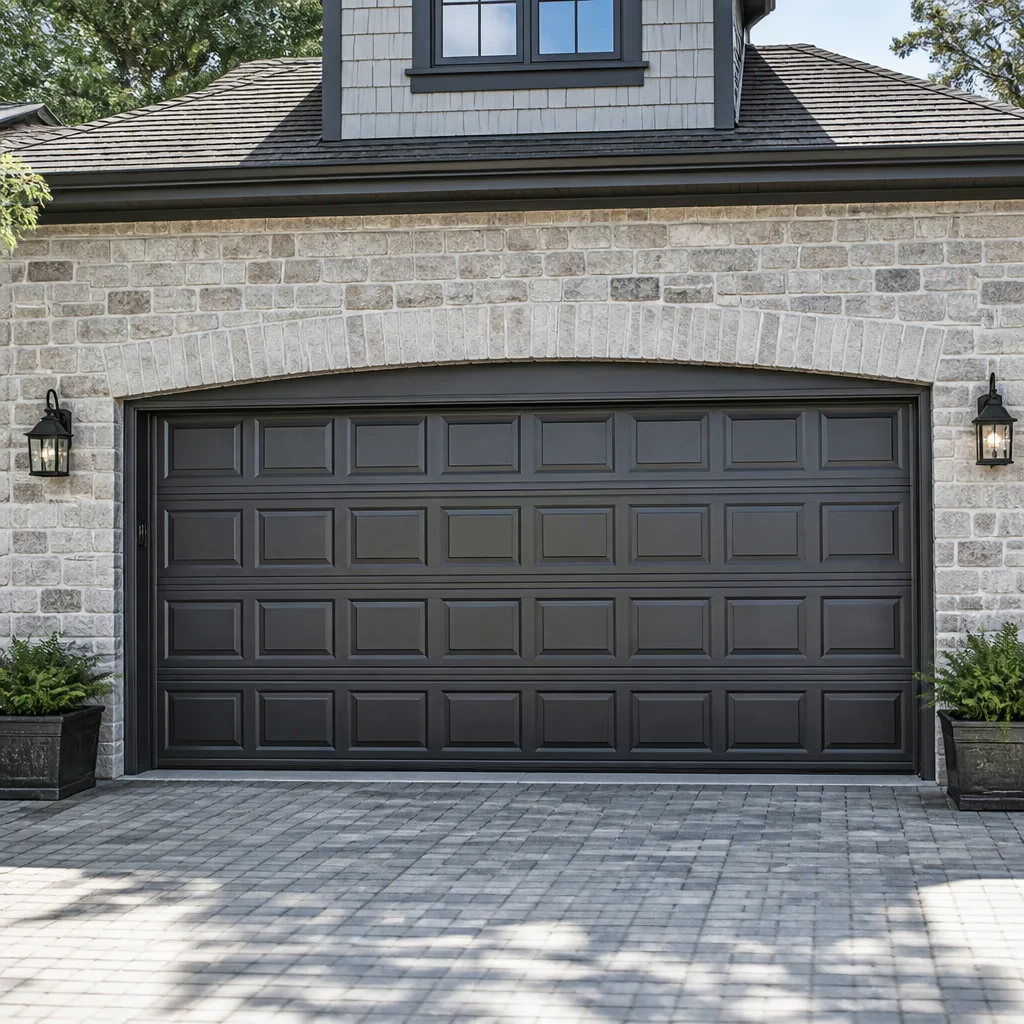
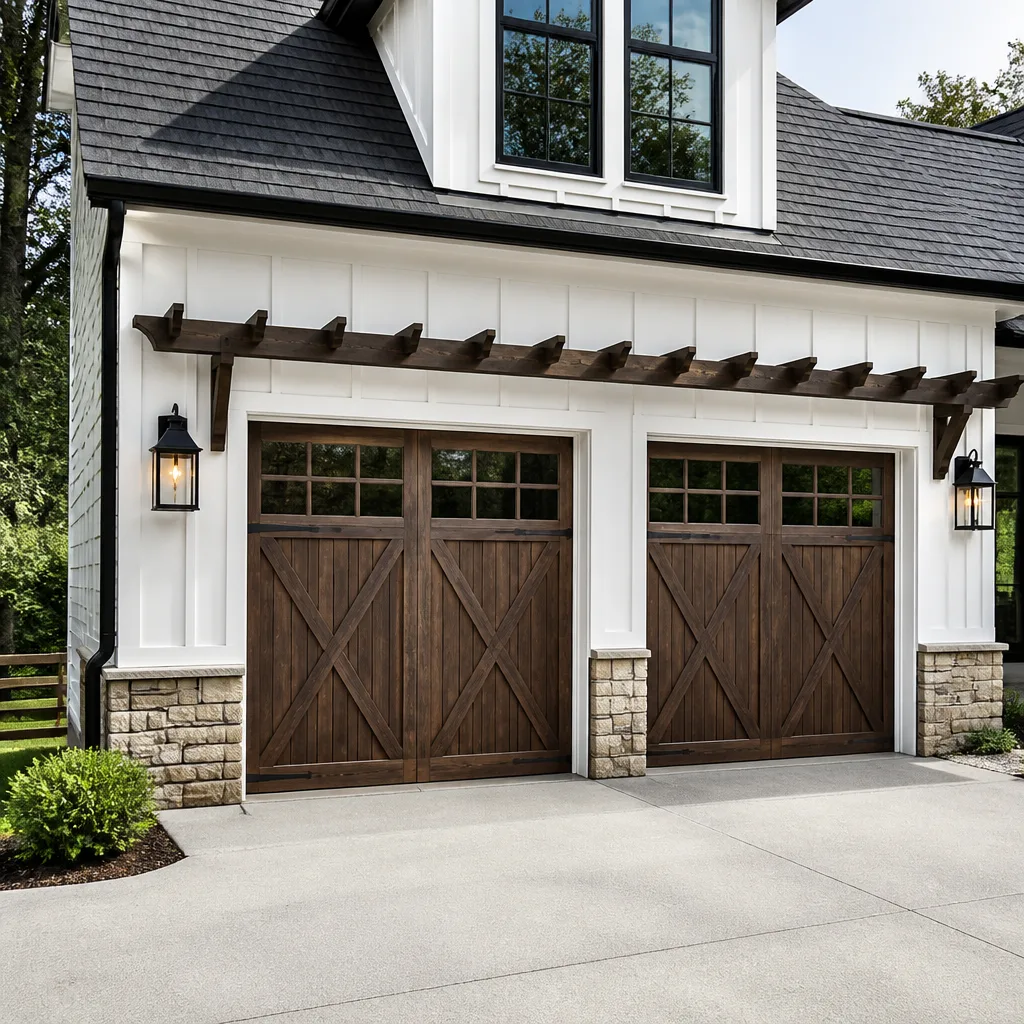
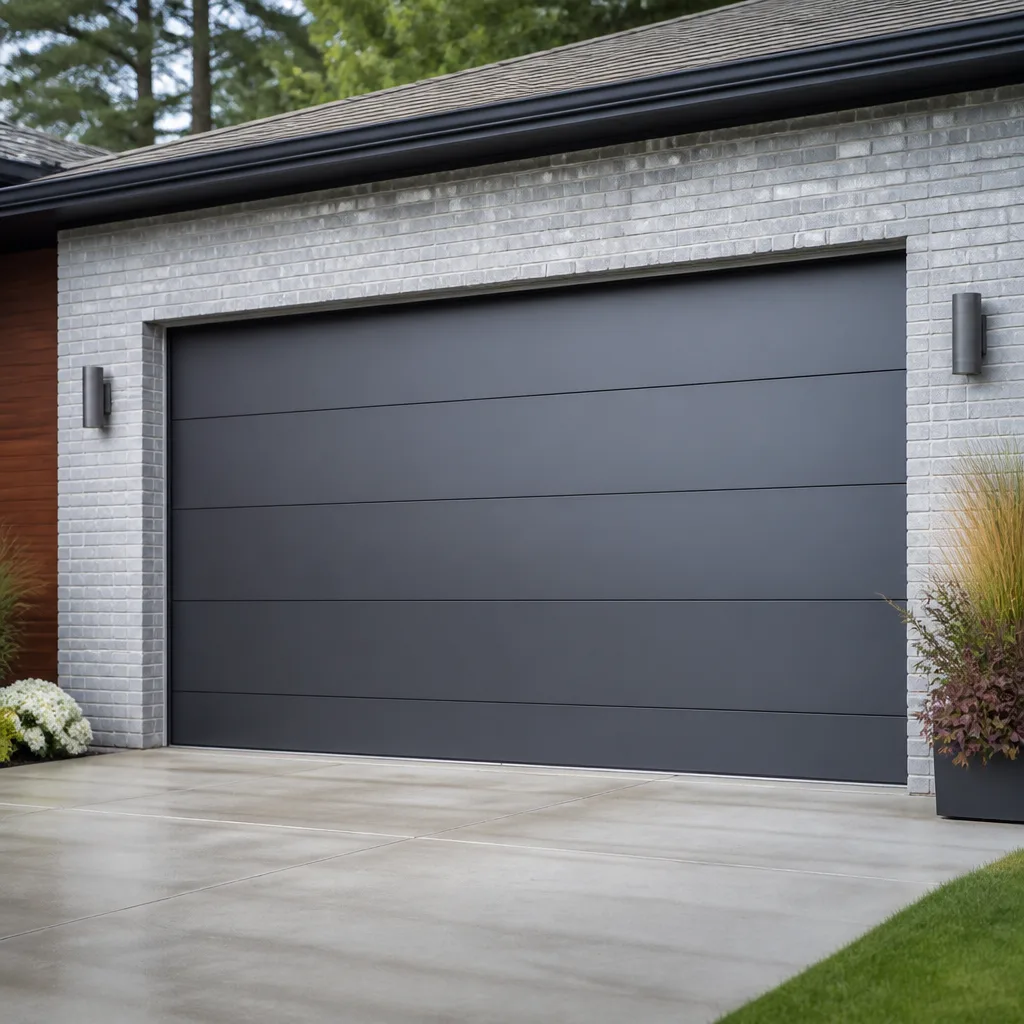
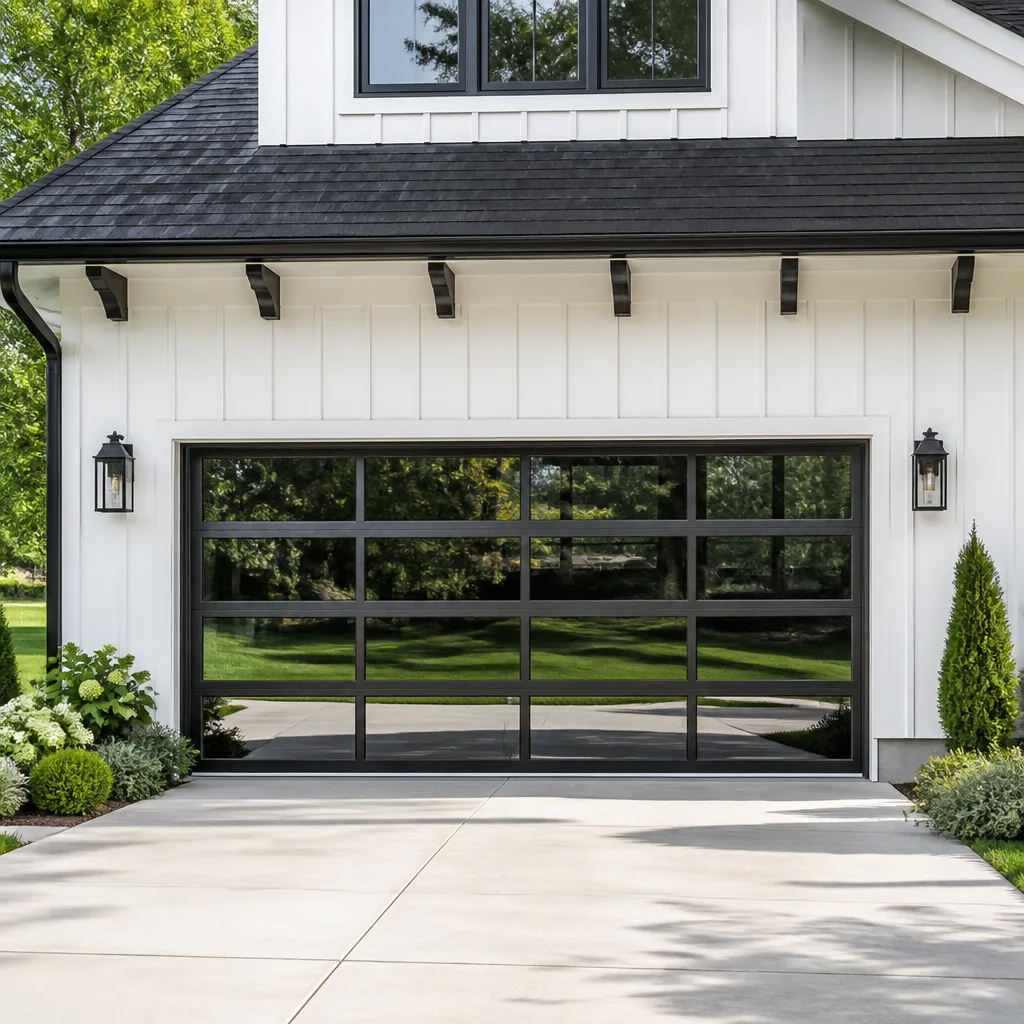
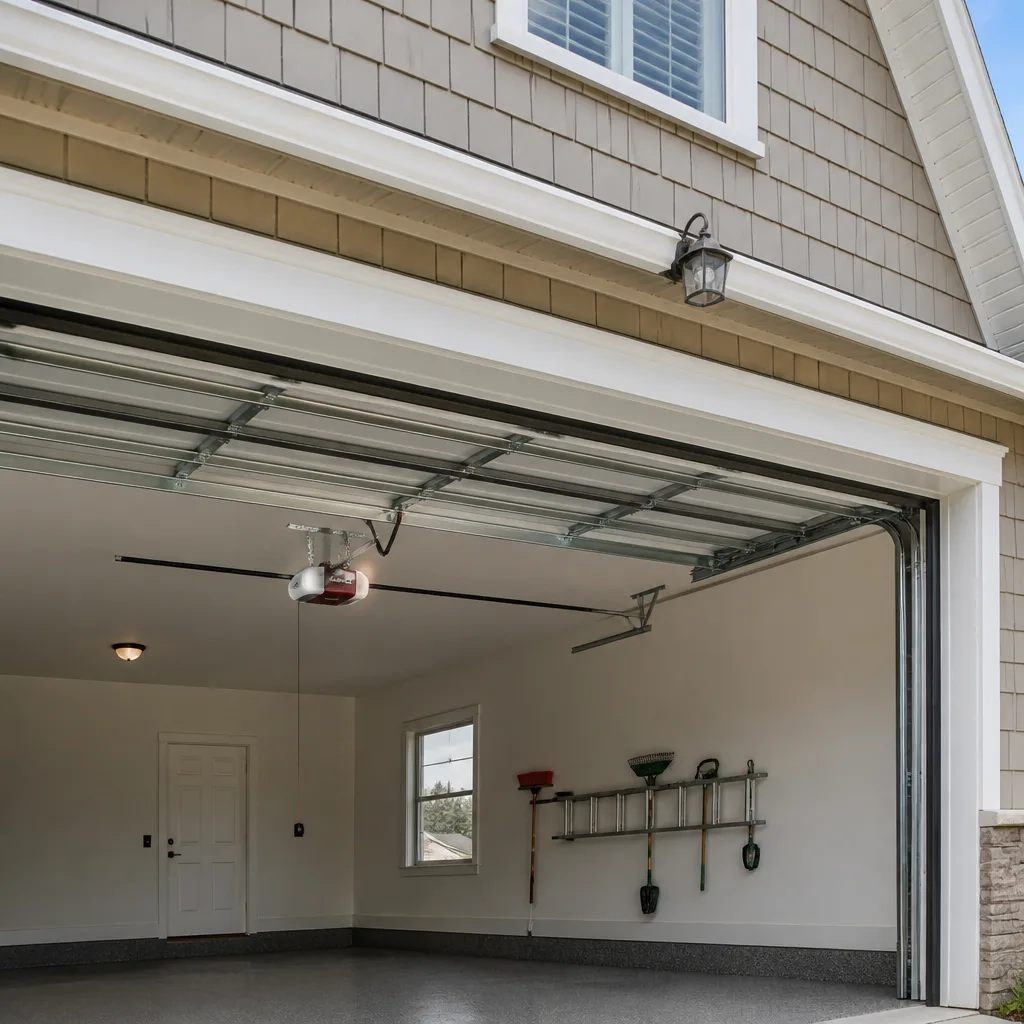
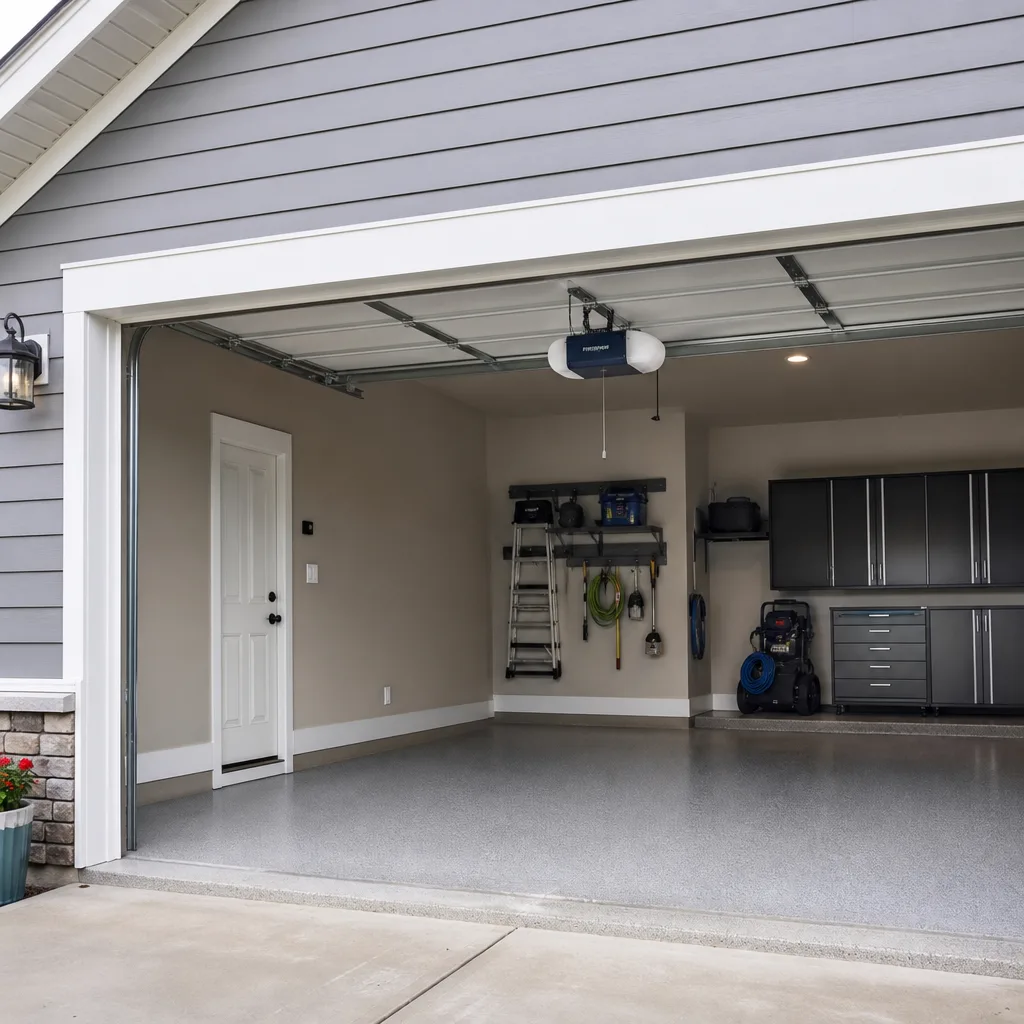
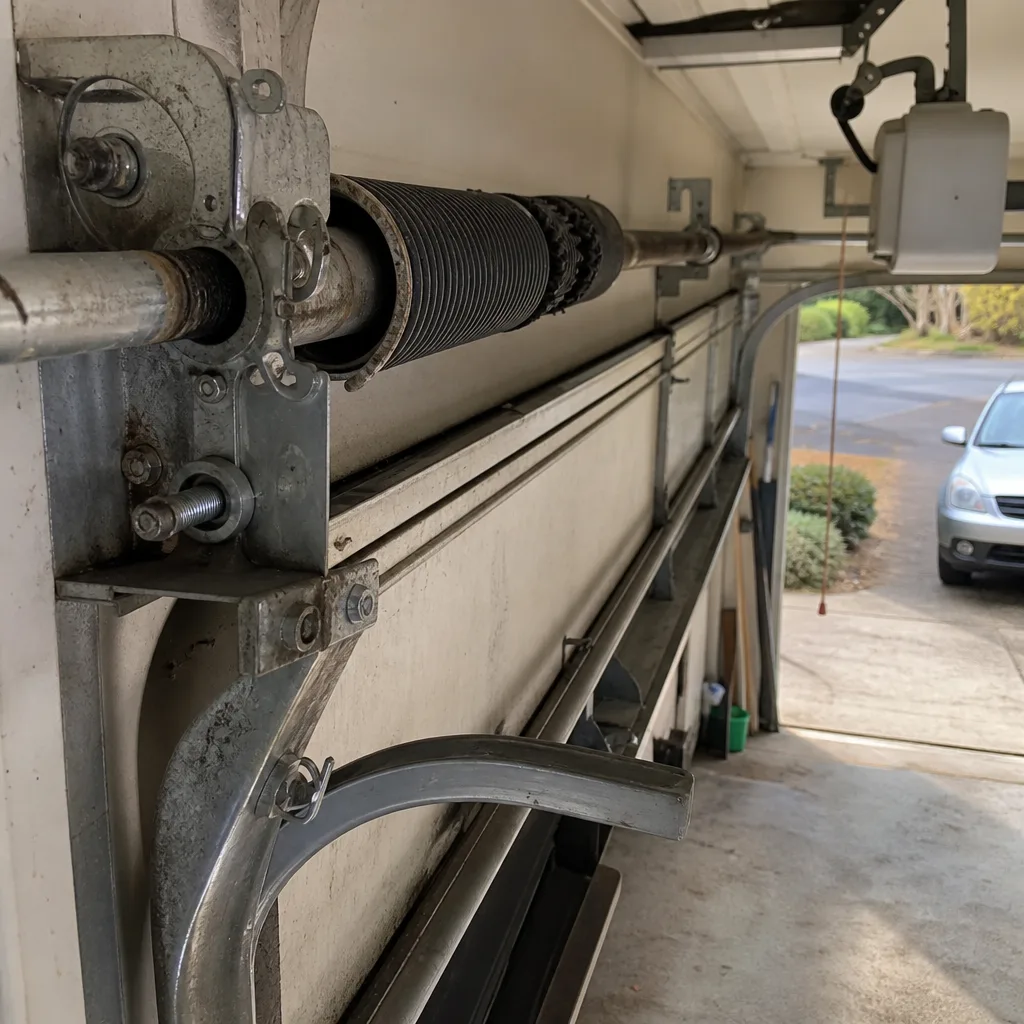 Before
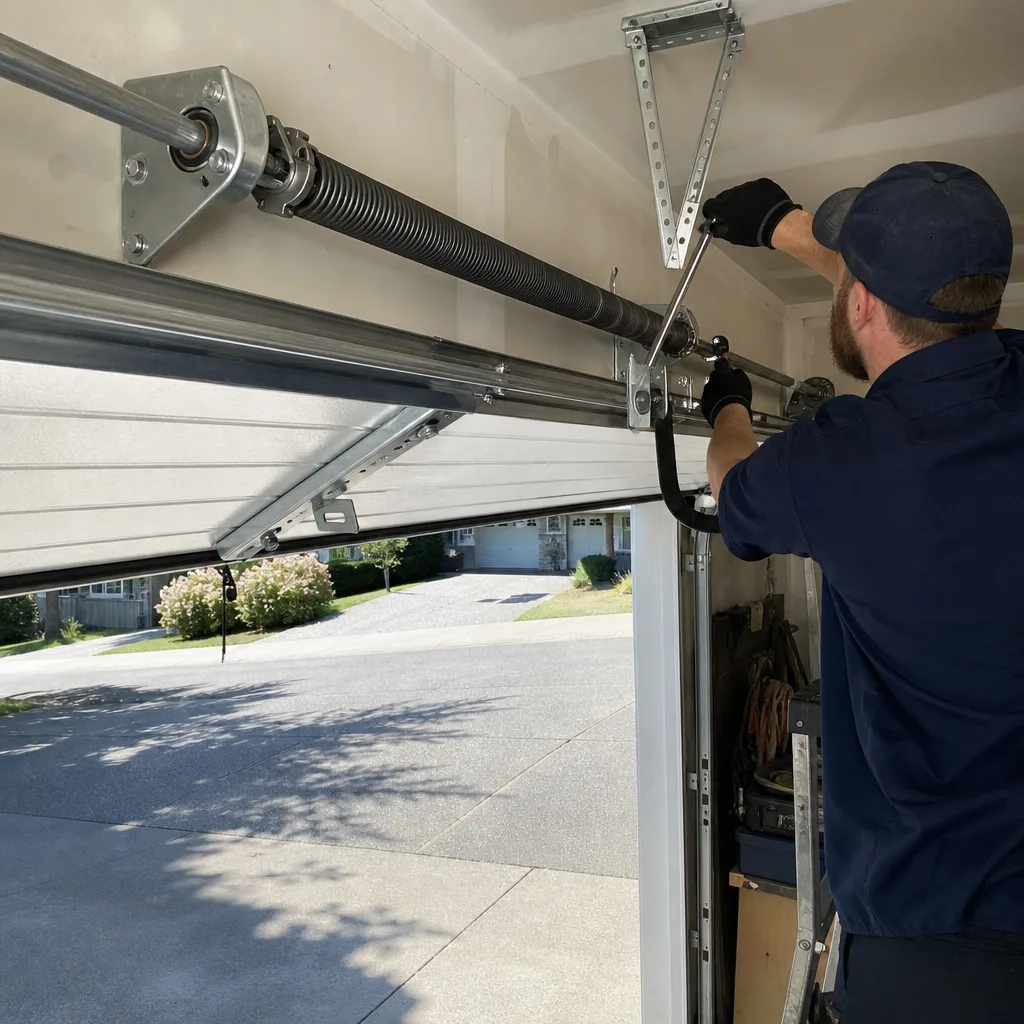 After
After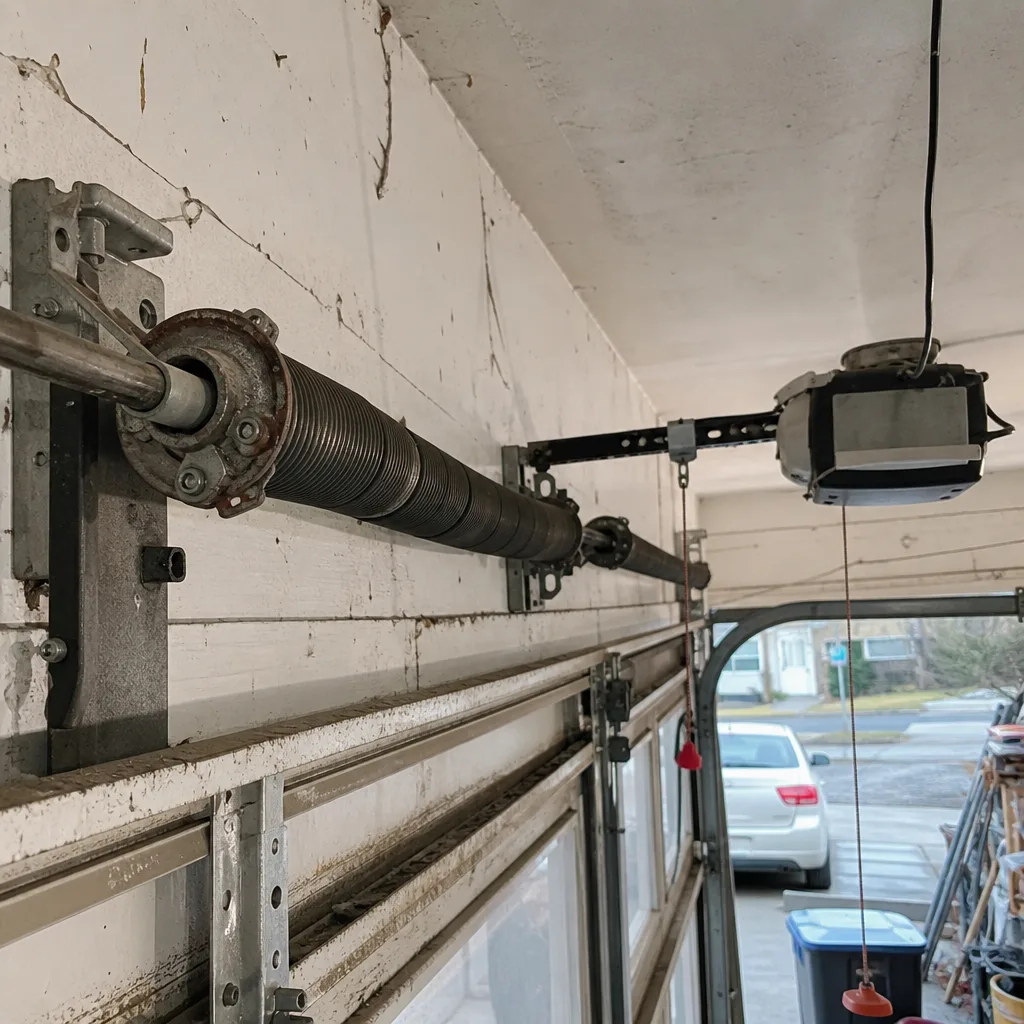 Before
 After
After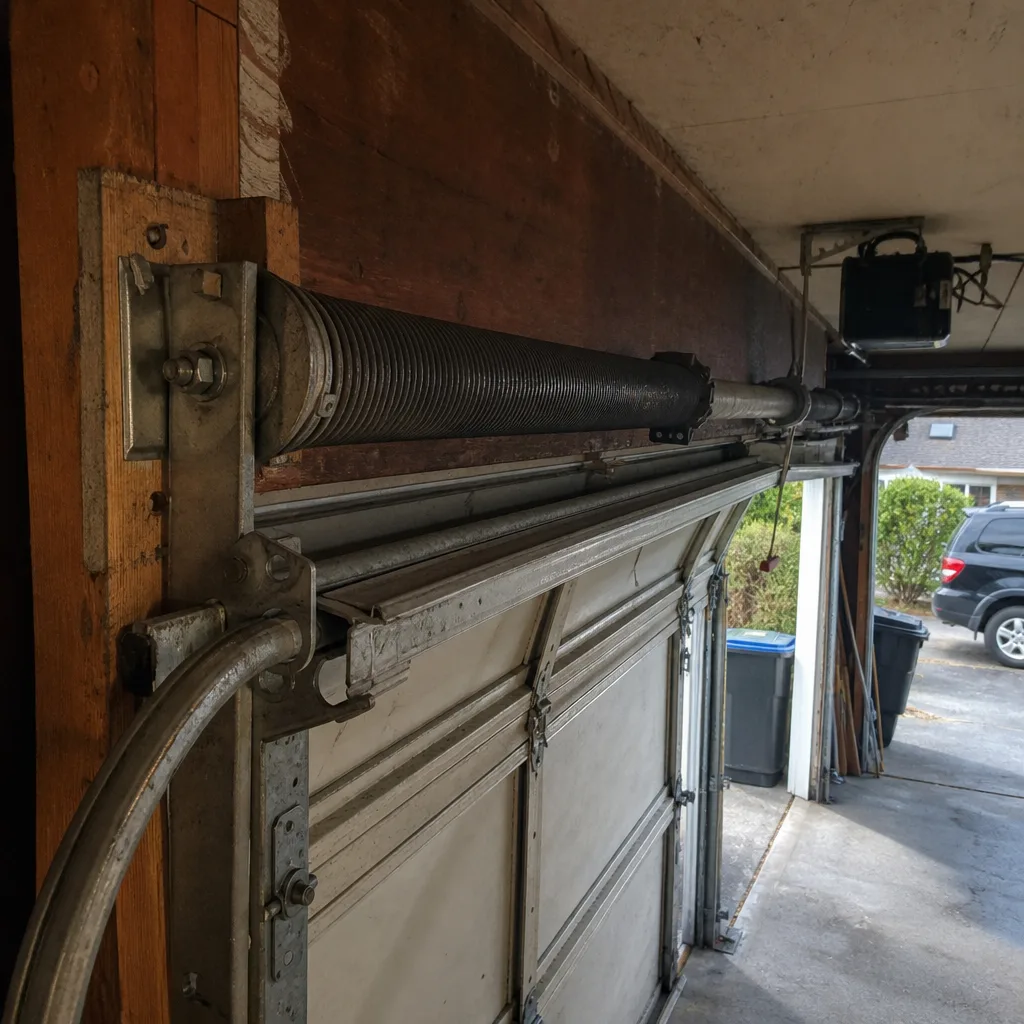 Before
 After
AfterGarage Door Warning Signs: A Kent Homeowner’s Reference Guide
Most garage door guides read like a vague list of bad omens: “if it squeaks, call someone.” That’s not useful. When you live in Kent, Washington, where winter rain swells wood frames and summer temperature swings stress metal springs, a garage door produces very specific noises for very specific reasons. This guide maps each warning sign to the component producing it, tells you what continuing to operate will cost you, and gives you a dollar range for the repair before you pick up the phone. We’ve spent ten years as Servo Garage Doors Kent home to these failures. Here’s what we’ve learned, documented, and photographed along the way.
Quick Answer
Garage door warning signs fall into two categories: mechanical failures (springs, cables, rollers, drums) and opener failures (logic board, gears, limit switch, trolley carriage). A grinding noise on open points to a different failing part than a grinding noise on close, and a broken torsion spring requires immediate shutdown while a slow-opening door usually doesn’t. Ignored symptoms compound; one deferred repair typically produces a second failure within 60 to 90 days.
Table of Contents
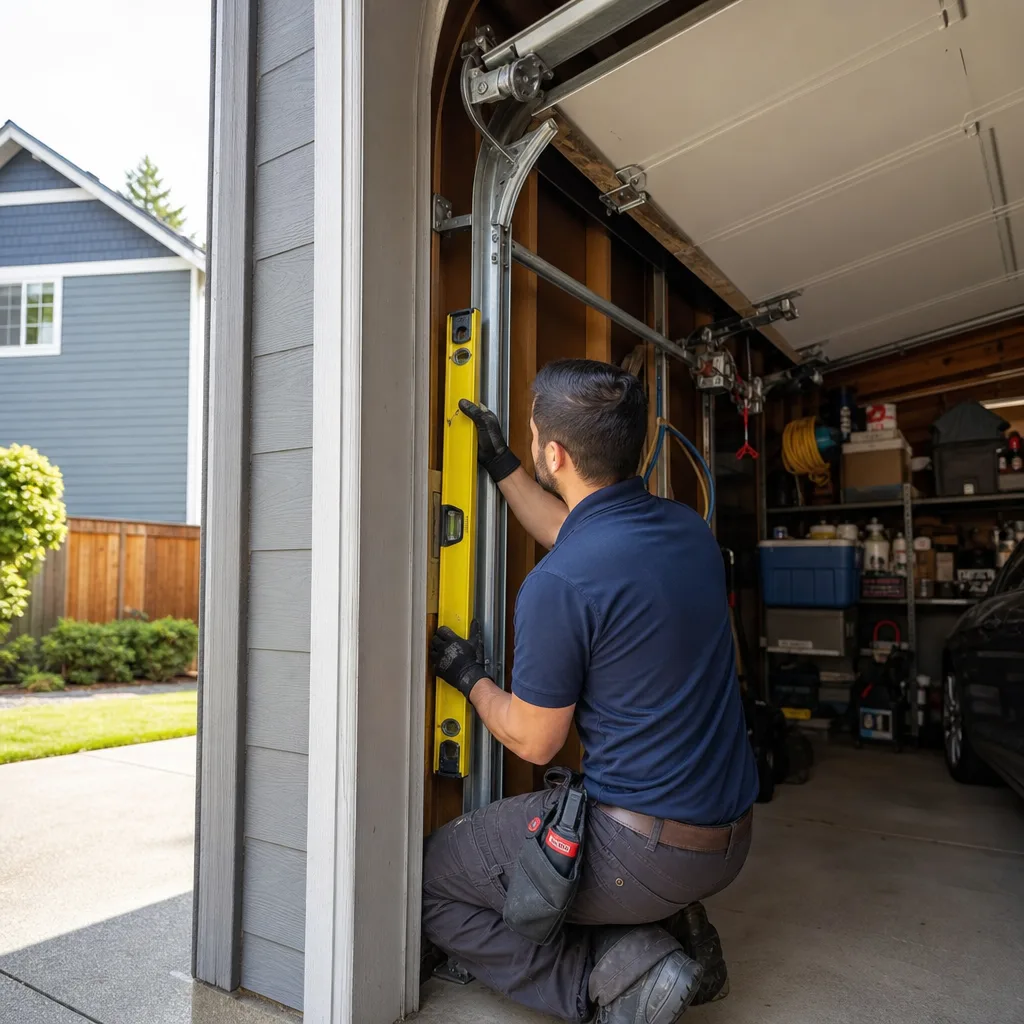
- Symptom-to-Component Diagnostic Table
- Stop-Operating vs. Continue-At-Reduced-Risk Conditions
- How to Tell an Opener Problem from a Mechanical Problem
- Photo Documentation Protocol for Kent Homeowners
- Deferred Maintenance: How One Ignored Symptom Compounds
- Kent-Specific Factors That Accelerate Wear
- Common Mistakes to Avoid
- When to Call a Professional
 Before
 After
AfterSymptom-to-Component Diagnostic Table
A grinding noise on open means something different than a grinding noise on close. Conflating them is how Kent homeowners get quoted for a full cable replacement when one drum set screw was loose. Here’s the mapping.
Diagnostic Table
- Grinding on open, smooth on close: The most common cause is a worn top roller or a failing bearing in the roller. In Kent’s damp winter air, roller bearings lose their sealed grease faster than in dry climates. Typical repair: $45-$90 for a roller replacement set.
- Grinding on close, smooth on open: Usually the drum at the top of the track. A drum set screw loosens over time, letting the drum slip and grind against the torsion shaft. Tightening the set screw and re-seating the drum runs $95-$140. If ignored, the grinding scores the shaft and you’re replacing the drum and shaft assembly at $260-$380.
- Squealing across both directions: Rollers riding dry on the track, or the torsion spring itself rubbing against a rusted bearing plate. We spray the spring and rollers during a tune-up, and on a 2018 Clopay door in Kent’s East Hill neighborhood, that single service call eliminated a squeal the homeowner had lived with for three years.
- Jerking or chattering on travel: A bent track section or a roller binding. If the door visibly pauses and lurches, you likely have debris in the track or a roller that’s seized. Continuing to run a jerking door accelerates wear on the opener’s gears. Repair range: $120-$220 for track realignment; $45-$90 for roller replacement.
- Slow travel in one or both directions: This is usually an opener problem rather than a mechanical one. The motor’s capacitor or the limit switch may be failing. However, a door that’s suddenly slow after being fine often means the torsion spring is losing tension and the opener is compensating. $85-$160 for opener capacitor; $180-$450 for spring replacement depending on spring size.
- Gap at the bottom seal: You can see daylight under one corner. The door is out of square, typically from a shifted hinge or a stretched cable. In Kent’s wet winters, a persistent bottom gap lets water into the garage and starts rusting the bottom panel. $75-$140 for seal replacement; $150-$250 for cable and hinge correction.
- Uneven gap between sections: If one panel sits flush and the next sits proud by a quarter inch, you have a failing hinge. Hinges carry the panel’s weight at the seams, and once a hinge pin wallows out its hole, the panel shifts. This is a cheap fix ($35-$65 per hinge) but an expensive one to ignore because the panel edge will crack.
We’ve seen every combination of these symptoms in doors across Kent, from the older ranch-style homes near downtown to the newer builds in the Panther Lake area. The pattern is consistent: the symptom points to a specific component, and that component has a known failure timeline.
Stop-Operating vs. Continue-At-Reduced-Risk Conditions
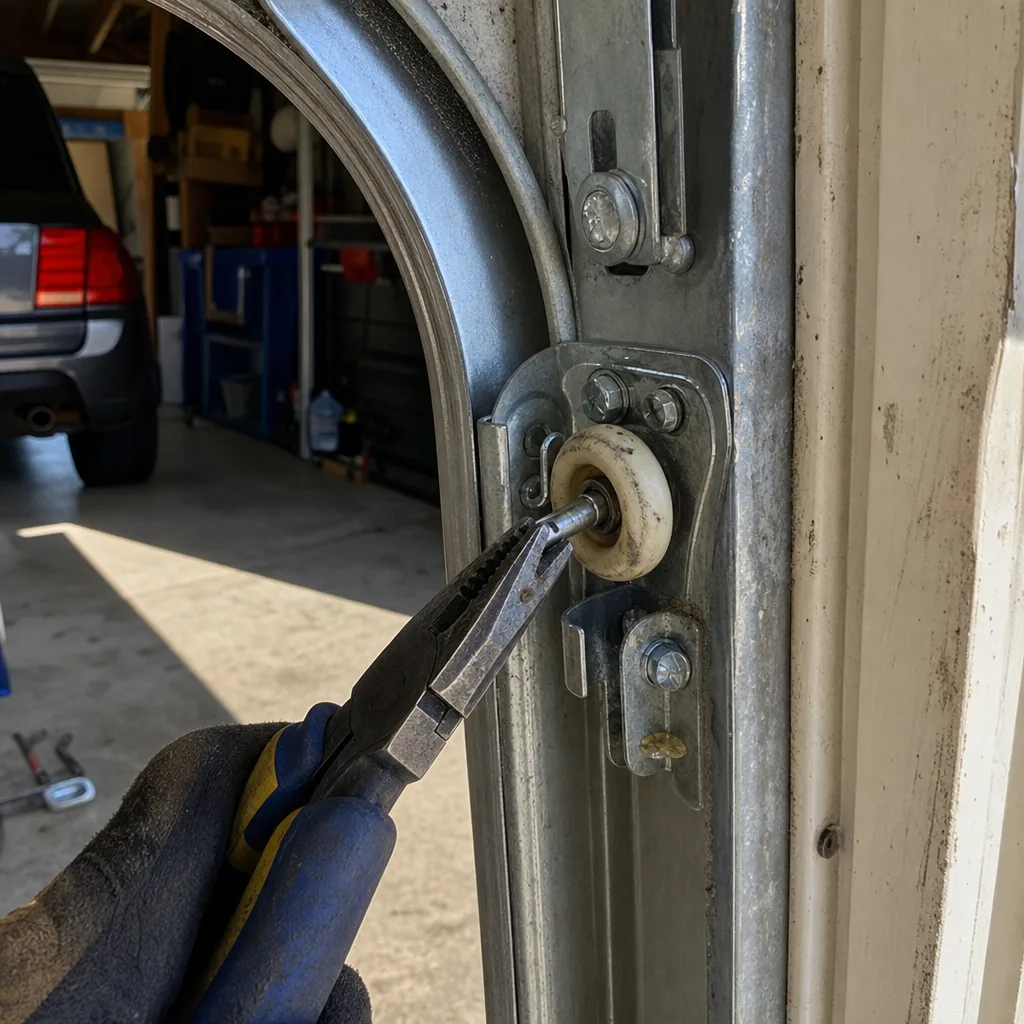
Not every warning sign means you should stop using the door today. Here’s the judgment call, made the way we’d make it for our own garage.
Stop operating immediately
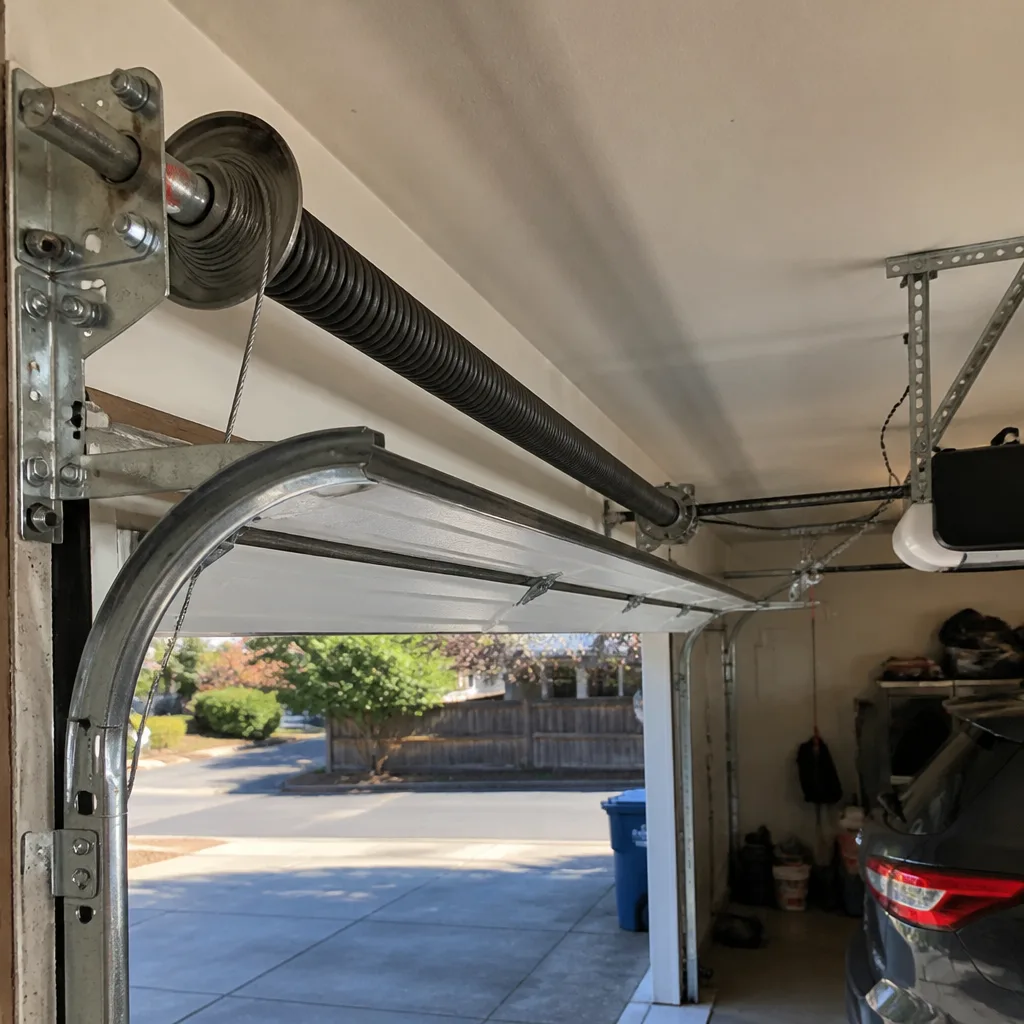
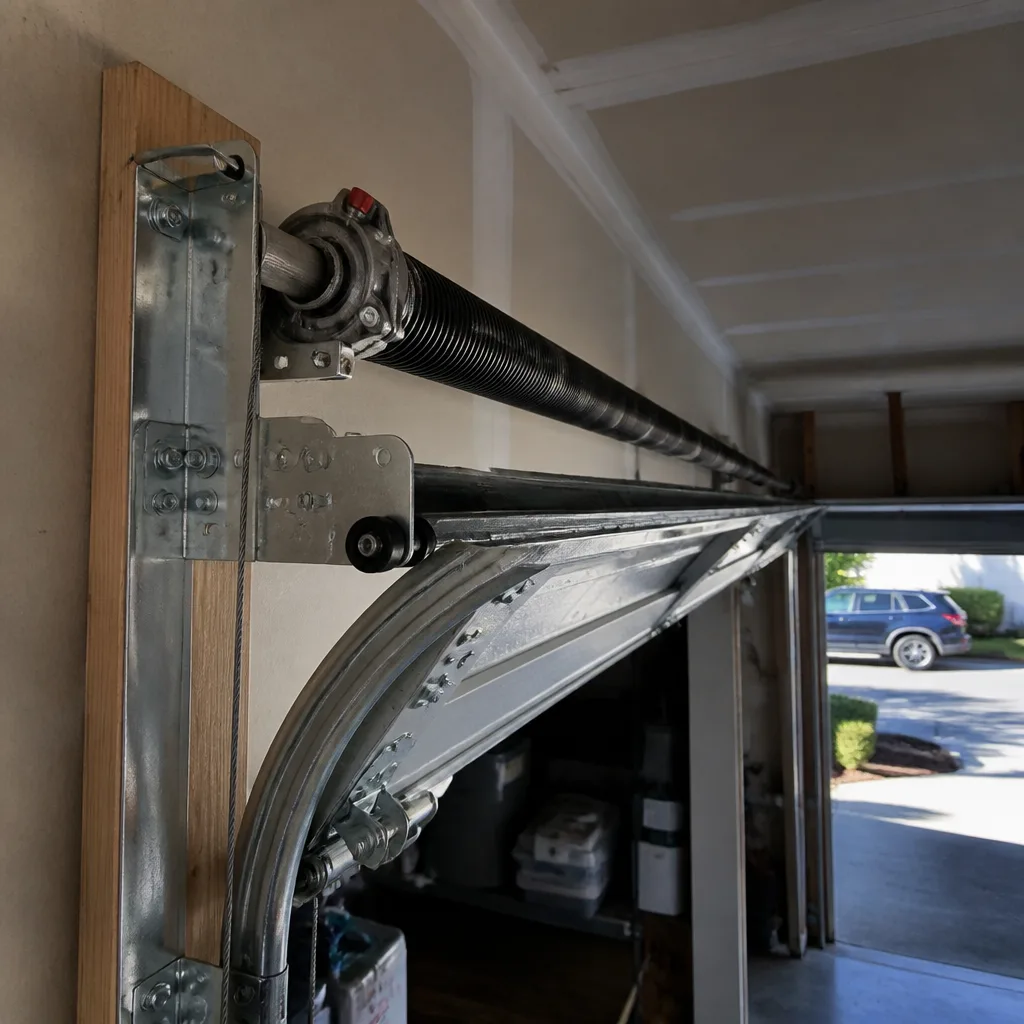
- Visible gap in the torsion spring. The torsion spring is the coiled steel bar mounted across the top of the door opening, above the tracks. When it breaks, it breaks clean: you’ll hear a sound like a gunshot from inside the garage. The spring’s stored tension releases all at once. This is a confined-energy hazard. Do not run the door. A broken spring means the door’s entire weight now falls on the cables and the opener, and neither was designed to carry it. Replacement: $180-$450 installed, depending on spring wire diameter and door weight.
- Fraying or broken cable. Cables run up the vertical track on each side, attach to the bottom corner brackets, and wind onto the drums at the top. If you see individual wire strands separating, stop operating. A snapping cable under tension can cut through a tool bag or a hand. Cable replacement: $150-$220 for a professional pair; never attempt cable work without winding bars and training.
- Door sags visibly to one side when opening. This usually means one cable has slipped or stretched unevenly. The off-balance load will accelerate wear on every roller and hinge. It’s a stop-condition until we can re-balance it.
Continue at reduced risk
- Slow travel. If the door opens and closes completely but takes longer than it used to, you can operate it while you schedule a diagnostic. The mechanical components are working; the open is underpowered or mistimed.
- Squealing or grinding while travel is smooth. Annoying, yes. Dangerous, not yet. Schedule a tune-up within 30 days.
- Visible rust on the track or springs. Rust is a warning sign of future failure, not a current one. Surface rust on a track doesn’t stop the door. Deep pitting in a spring does; if the spring has pinholes or scale, replace it before it breaks.
In our service area around Kent, we answer a lot of calls from homeowners who’ve already made the judgment call wrong: they ran a door with a broken spring for a week, and by the time we arrived the opener’s carriage had cracked from the load. The spring repair would have been $230. The spring and opener repair was $610.
How to Tell an Opener Problem from a Mechanical Problem
The distinction matters because the opener and the door are separate systems, and throwing opener parts at a door problem wastes money. Here’s the test we use, adapted for a homeowner with no tools.
- Locate the red emergency release cord. It hangs from the opener rail, usually six to twelve inches behind the opener motor. It has a red plastic handle.
- Pull the cord straight down. This disconnects the door from the opener’s trolley carriage. The door now runs free on its tracks, moved only by your hand.
- Lift the door by hand. Use both hands on the bottom panel or the handle, not on the section seams. A properly balanced door lifts smoothly and stops at waist height without falling or rising on its own. If it’s heavy, lurches, catches, or shoots up, you have a mechanical problem: spring tension, cables, rollers, or track.
- Lower the door by hand. If it falls once it passes the halfway point, the spring is weak. If it stays put, the spring is fine.
- Reconnect the trolley. Pull the cord again and run the opener one full cycle until you hear the trolley click back into the carriage. Some openers re-engage automatically; on older models you may need to run the opener until it catches.
If the door moves freely by hand but misbehaves on the opener, the opener is the issue. That narrows the field to: the logic board, the limit switch, the capacitor, the gears, or the trolley carriage. If the door is heavy or uneven by hand, the opener is not the problem no matter how many times it reverses on the way down.
Photo Documentation Protocol for Kent Homeowners
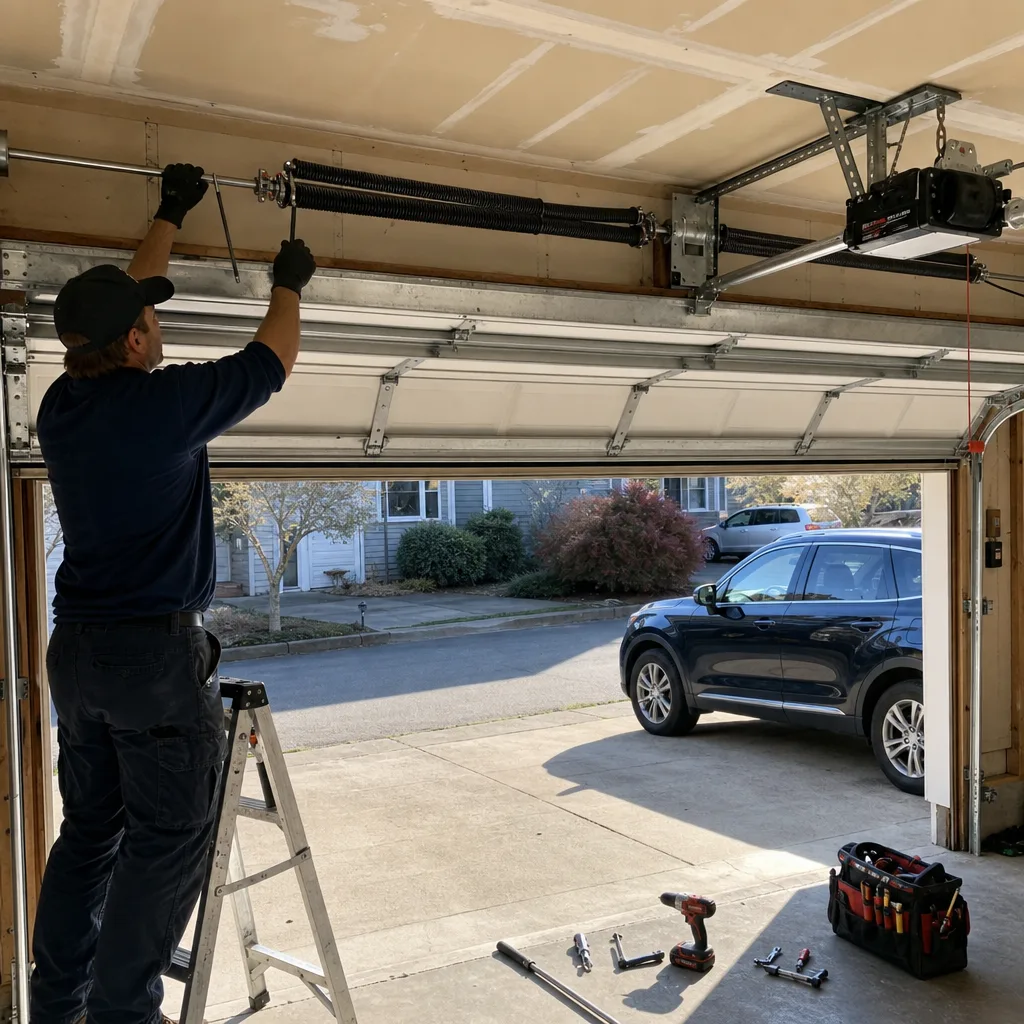
This is the step that separates the homeowner who gets an accurate phone estimate from the one who gets a broad range and a surprise on the invoice. Photograph the failed part before you call. Here’s what to shoot, in order.
- The full door, closed, from straight on. This shows the door’s age, panel style, and overall condition. We can identify the brand from a good photo: Amarr, Wayne Dalton, Clopay, and the rest all have distinct panel profiles.
- The torsion spring area. Stand on a step stool or short ladder and photograph the spring bar across the top of the opening. Get the full spring in frame, including both ends. If you see a gap in the coil, get a close-up of that gap.
- The cables. One photo up the left track, one up the right. Watch for loose strands, rust, or a cable that’s come off the drum entirely.
- Any visible damage. Bent track sections, cracked panels, missing bolts, a hinge that’s pulling away from the panel. Get the damage centered, not the whole door.
- A video, not just stills. Ten seconds of the door running through a full open and close cycle, from the side. Sound matters; on a video we can hear the difference between drum noise and roller noise.
Send these through whatever channel you prefer: text, email, or the contact form. We have the same conversation in every case: “Based on the photos, this is a torsion spring replacement on an Amarr door, parts and labor $230, and that’s a flat written quote before we arrive.” Clause 1 of The Haven Standard mandates a written price and written scope before any work starts. The photos get us to an accurate number without sending a technician out twice. Our documentation promise works the same way in reverse: when our technician leaves, you receive a photo record of what was found, what was replaced, and what the finished work looks like. Clause 4 requires the failed part photographed before quoting a replacement, and that photo goes to you with the invoice. You see what we saw.
Deferred Maintenance: How One Ignored Symptom Compounds
The pattern we see in Kent garages is repeated and predictable. One symptom goes unaddressed. Within 60 to 90 days, a second failure appears. The two failures are mechanically related.
Three compounding sequences we see repeatedly
- Ignored cable fraying → broken spring. When a cable frays, the door’s balance shifts slightly. The spring now cycles under uneven load, which accelerates wire fatigue inside the spring coils. The homeowner notices the cable first because it’s visible, decides to “keep an eye on it,” and two months later hears the snap of the spring. What would have been a $200 cable job is now a $400 spring and cable job.
- Ignored roller grinding → worn track. A failing roller scores the inside of its track section. The track is galvanized steel, but once the galvanizing is worn through by an abrasive roller, the raw steel rusts in Kent’s damp climate. Now the track has to be replaced along with the roller. The track section alone is $30-$60, but the labor climbs because the new section must be matched and aligned to the existing curve.
- Ignored bottom seal gap → rusted bottom panel. A small gap at the seal admits water every time it rains. In Kent that’s a significant number of days. The water wicks into the bottom panel’s wood or foam core and rusts the steel skin from inside. We’ve replaced bottom panels on doors less than eight years old because a $40 seal was deferred for a year.
The rule we state plainly to every Kent homeowner: every garage door symptom has an addressable cause, and the cost of addressing a cause is always lower in week one than week ten.
Kent-Specific Factors That Accelerate Wear
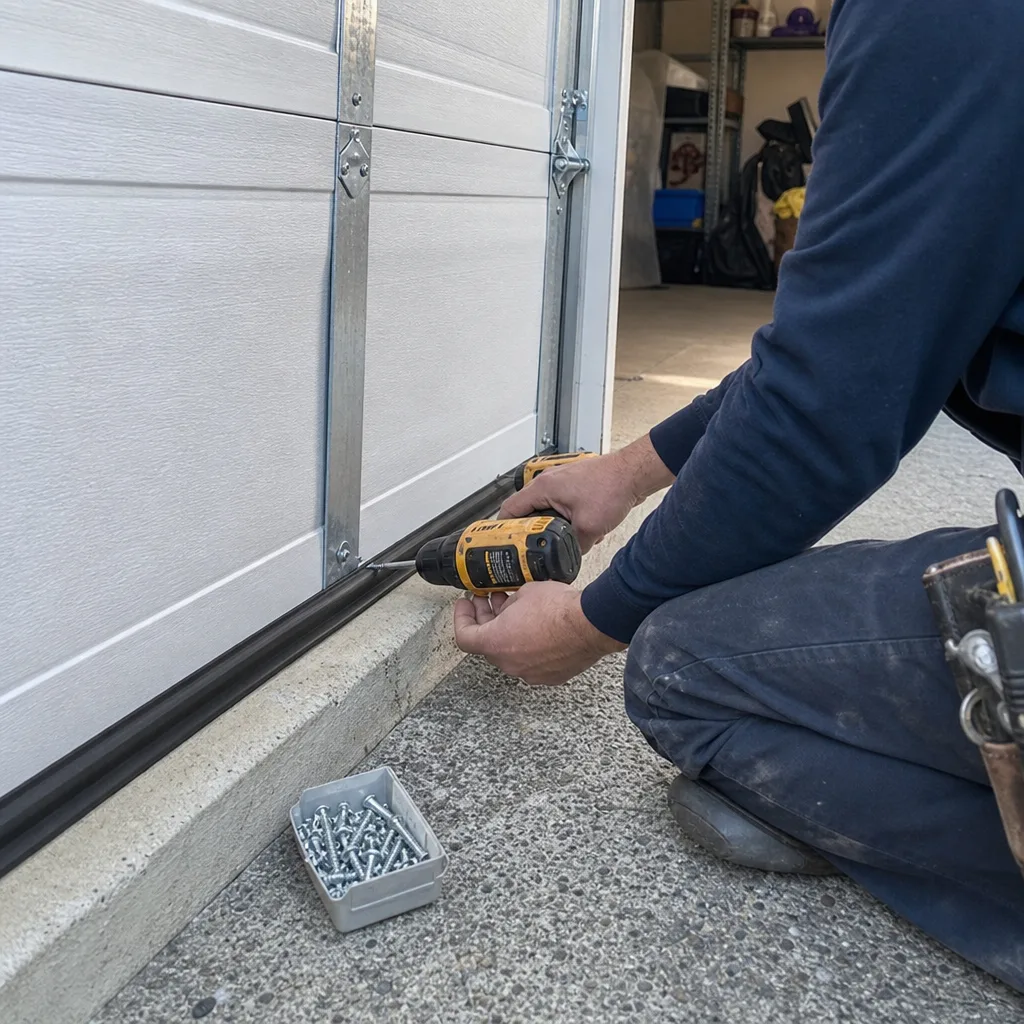
Kent’s climate does specific things to garage door hardware that San Diego’s and Phoenix’s don’t. Here are the factors we account for when we inspect a door in Kent.
- Winter rain means rust cycles. Kent averages roughly 38 inches of rain per year, concentrated in the wet season. Steel parts that would stay dry in a shed in Eastern Washington sit damp in a Kent garage for months. Roller bearings, spring coils, and cable strands all rust faster here. We recommend a spring winding check and cable inspection every 12 to 18 months, timed for late summer before the rain returns.
- Soil movement shifts tracks. Kent’s soils, particularly in the valleys, expand and contract with seasonal moisture. Garage slabs settle unevenly, and when the slab shifts a quarter inch, the track assembly shifts with it. Doors that were perfectly square in August bind slightly by January. We check track plumb and level as part of every tune-up, and in Kent’s older neighborhoods it’s not unusual to find the track shimmed.
- Temperature swings stress springs. A torsion spring’s lifespan is measured in cycles, not years. A 10,000-cycle spring in a two-car household lasts roughly seven to nine years in a mild climate. Kent’s winter-to-summer temperature range doesn’t change that math much, but rapid temperature changes do cause metal fatigue to express earlier, particularly on springs that are already near end of life.
- Neighborhood age matters. Homes in the Scenic Hill and East Hill areas tend to carry older door systems, often with extension springs instead of torsion springs, and those springs have a shorter expected life. Newer construction in the Panther Lake and Meridian areas uses torsion spring systems that are serviceable. We factor in the door’s hardware generation when we quote.
This local context is part of why our estimates come with a written scope: two doors of the same size and brand will require different labor in Kent depending on whether they were installed in 2004 or 2022. The documentation tells you which one you have.
Common Mistakes to Avoid
- Lubricating a noisy door to mask a failing spring. WD-40 or lithium grease on rollers and hinges quiets the noise briefly, but the underlying wear continues. By the time the noise returns, the part is usually past servicing. Always identify the part making the noise before lubricating anything. A spring that’s rusted internally doesn’t need grease; it needs replacement.
- Assuming the opener’s reversing means the opener is broken. Most openers reverse because the safety sensors are blocked, misaligned, or has a sun-short issue, not because the motor failed. Check the sensors’ alignment and wiring, and clean the lenses before calling anyone. If the reverse persists after sensor checks, the down-force limit may need adjustment or the logic board may be failing.
- Holding the wall button down to force the door closed. This is the single most destructive thing a homeowner can do to a garage door. Holding the button overrides the opener’s safety reversal, and if the obstruction is a mechanical bind rather than a sensor issue, the opener will push through the bind and bend a panel, a hinge, or the track itself.
- Replacing one spring on a two-spring door. Two-spring systems exist because the door’s weight exceeds what a single spring can handle. If one breaks, the other is at end of life too. Replacing only the broken spring leaves you with mismatched tension and a second spring that will fail within months. Pair replacement is the only correct repair, and any estimate that quotes a single spring on a two-spring door should be questioned.
- Ignoring a bottom-seal gap because the door “still works.” The seal is the cheapest component on the door and the one whose failure has the longest tail in Kent’s climate. Every week a gap exists, the bottom panel takes on moisture. That’s an avoidable panel replacement.
- Having a tune-up done without a written scope. If the invoice says “tune-up” and nothing else, you don’t know what was checked or adjusted. We itemize every check.
When to Call a Professional
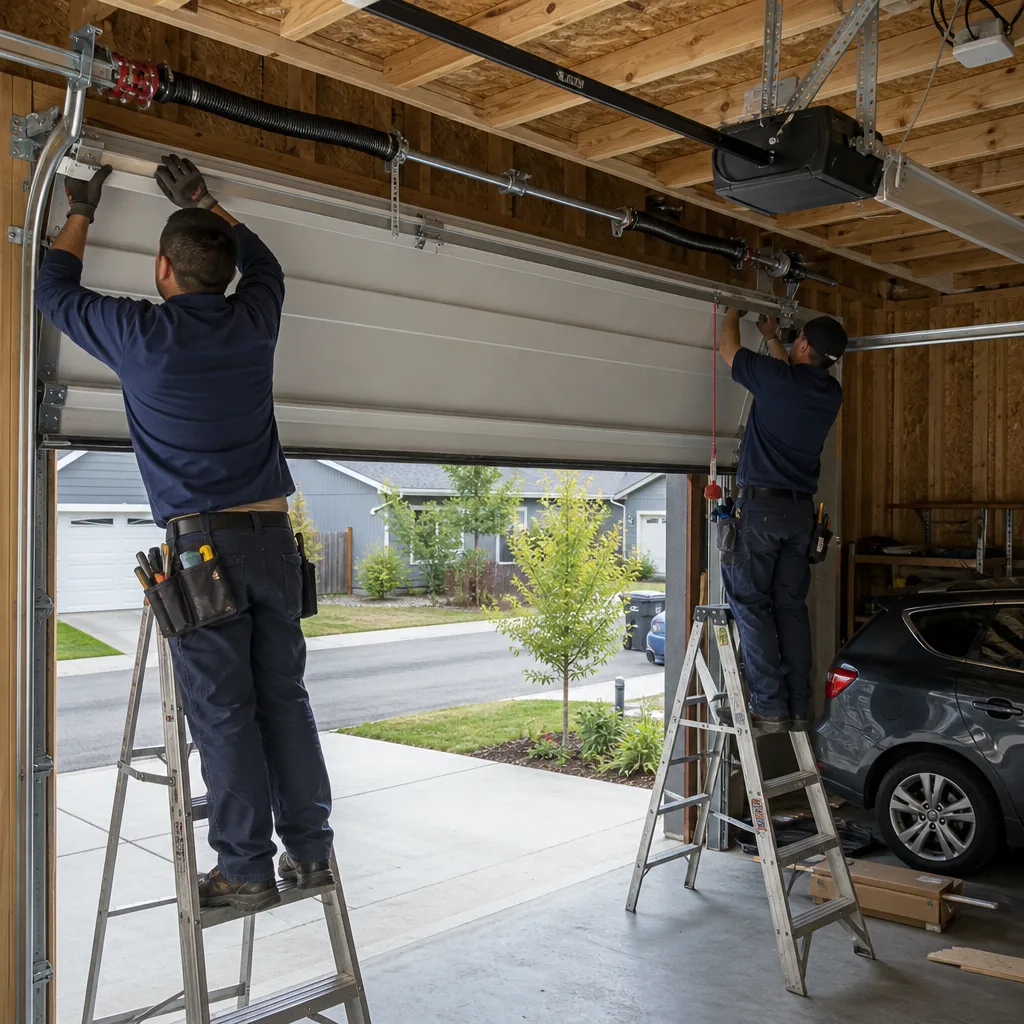
Call immediately if you discover a broken torsion spring, a frayed or broken cable, or a door that has dropped suddenly on one side. These are stop-operating conditions. The spring and cables are under high tension and require winding bars, not improvised tools, to service safely. In our experience, the hand injuries we hear about are always from “I just had to run it one more time.”
Call during regular hours if you have persistent grinding, squealing, slow travel, or a gap at the seal that’s been there longer than a month. These are diagnostic calls, not emergencies, and we can often identify the part from photos before sending a technician. Garage Door Repair in Kent is what we do, and the photo-first approach is how we quote accurately. Servo Garage Doors Kent offers free estimates; call (425) 906-3489.
Frequently Asked Questions
Expect $180 to $450 for torsion spring replacement on a standard two-car residential door in Kent, depending on the spring’s wire diameter, length, and whether the door uses a one-spring or two-spring configuration. Extension spring systems, common on older Kent homes, run slightly lower at $140 to $300. We quote a flat written price before any work starts, per Clause 1 of The Haven Standard, and the price we quote is the price you pay.
No. A broken torsion spring means the door’s full weight is now carried by items that weren’t designed for it: the cables, the pulleys, and the opener’s trolley carriage. You should not operate the door, manually or with the opener. Many Kent homeowners damage their openers this way.
Use the red emergency release cord. If the door moves smoothly by hand when disconnected, the noise is from the opener. If the noise persists during manual operation, the problem is in the door’s hardware: rollers, springs, hinges, or track.
Photograph the full door from straight on, the torsion spring area, both cables, and any visible damage. Then shoot a ten-second video of the door running through a full cycle with sound on. Send those images with your initial contact. That documentation lets you receive a written, accurate quote before a technician arrives, and it’s the same documentation approach we use on every job.
Yes. If you’re considering Garage Door Installation in Kent or already own these brands, we work on all of them. We also service LiftMaster, Chamberlain, Craftman, and Raynor. Brand doesn’t change the diagnostic process: we identify the failing component, photograph it, and quote the replacement in writing.
For opener repairs we typically can, yes. We maintain a full stock of common opener parts, including logic boards, gears, capacitors, and limit switches. If your specific board is uncommon, we’ll quote you a repair window. Either way, the price is written before we start, not after. For Garage Door Opener Repair & Installation in Kent, call to confirm current part availability.
The Bottom Line
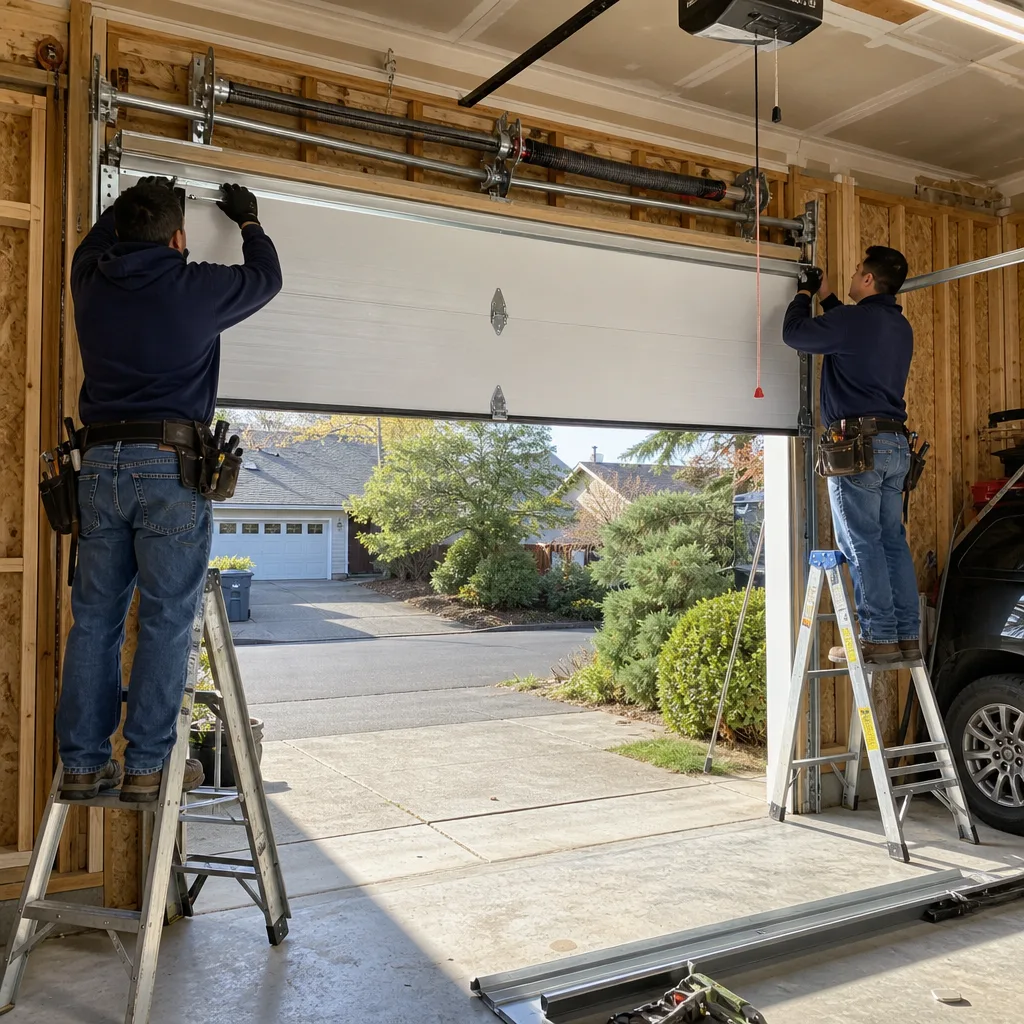
Garage door warning signs are specific, diagnostic, and addressed. A grinding noise on open tells you one thing; a grinding noise on close tells you another. A broken spring or frayed cable means stop using the door. A slow opener or squeaky roller means schedule service within 30 days. Photograph what you’re seeing and hearing before you call, because documentation gets you an accurate price without a technician rolling a truck. In Kent, our climate accelerates rust and track shift, so inspect seasonally. And when a symptom appears, address the component it’s pointing to. Deferred garage door maintenance compounds, and we’ve documented the compounding on doors across Kent for ten years, some of it in photos, all of it in written estimates.
Garage Door Repair in Kent | Garage Door Installation in Kent | Garage Door Opener Repair & Installation in Kent
Call Servo Garage Doors Kent at (425) 906-3489 for a written, flat-price estimate on any of the conditions described in this guide. We’ll ask for photos, send you a quote in writing, and document every step of the work before we leave.
Written by Marcus Deller, Owner at Servo Garage Doors Kent, serving Kent since 2015.