
Full 25-point door and opener safety check with every visit - springs, cables, rollers, tracks, and your LiftMaster or Chamberlain opener included
You get a price before we start. It does not change when the truck arrives.
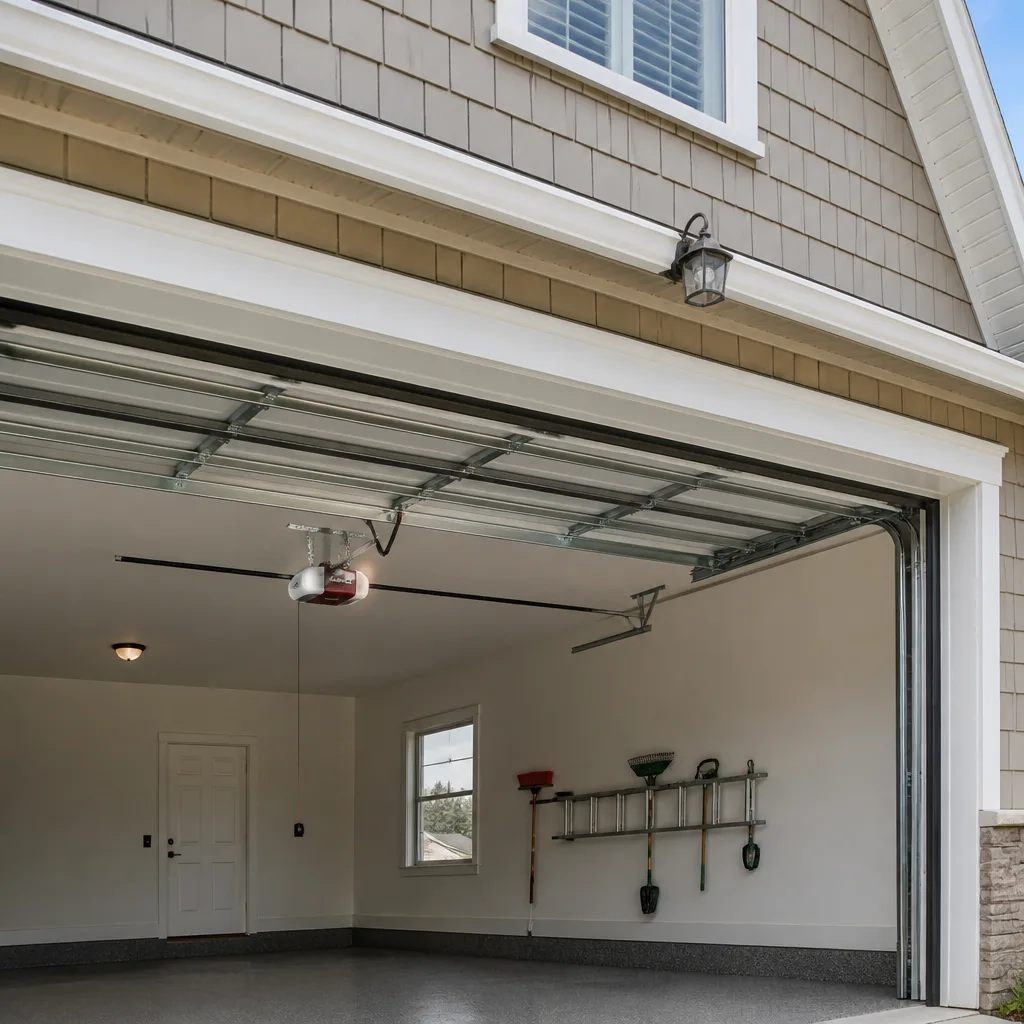
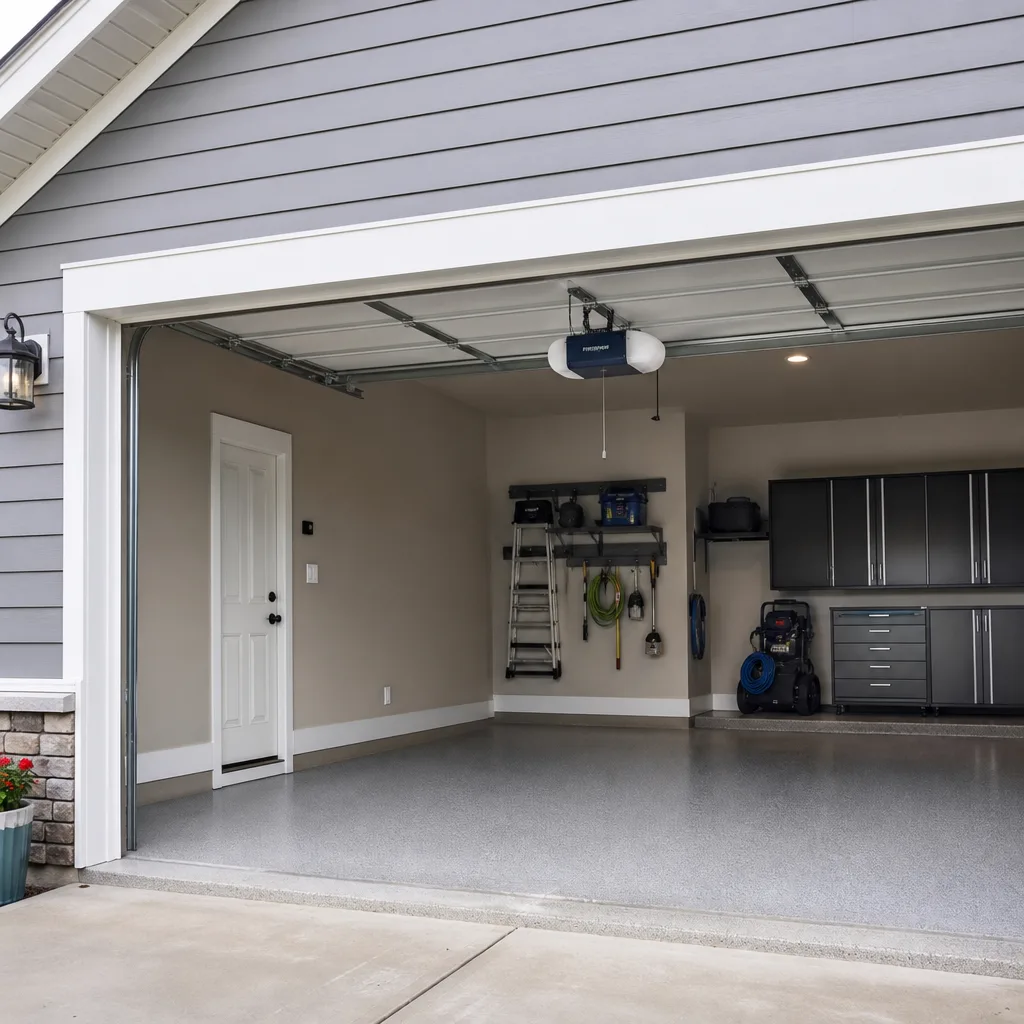
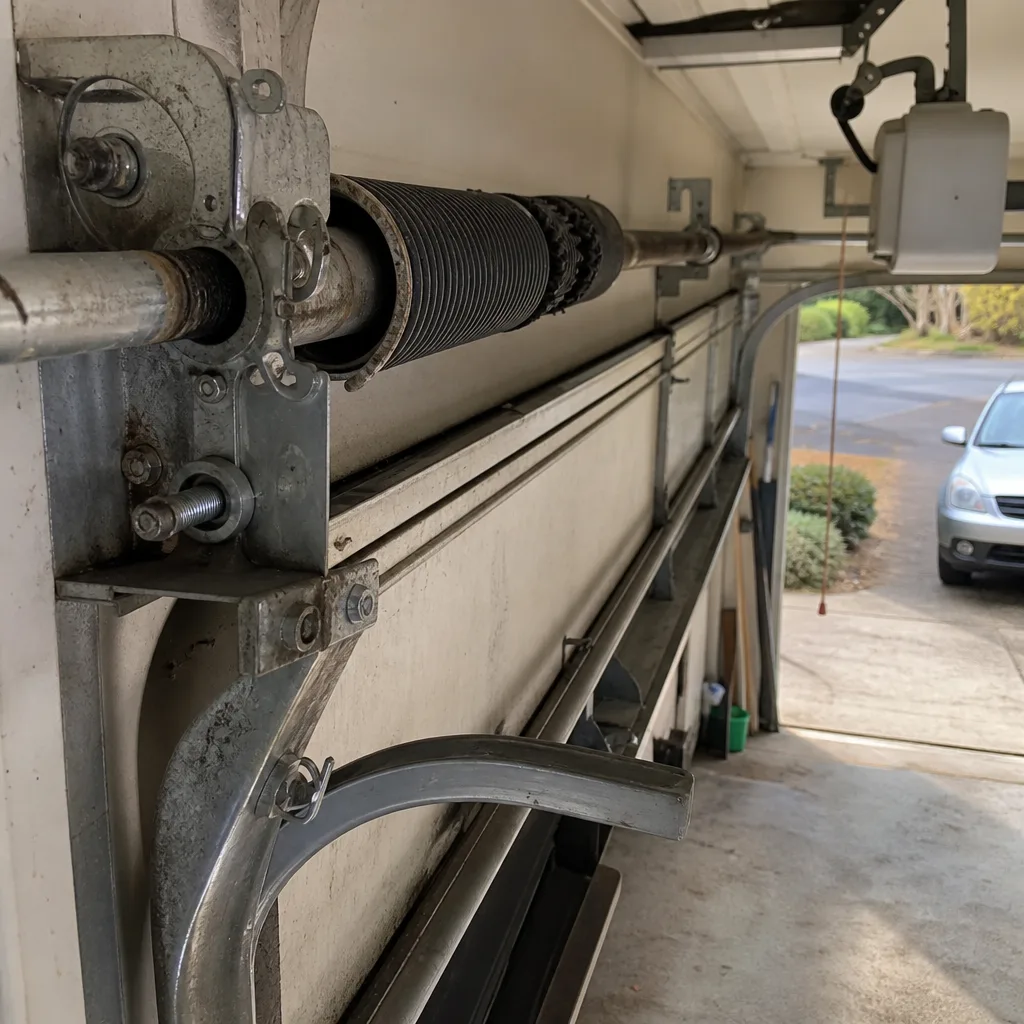 Before
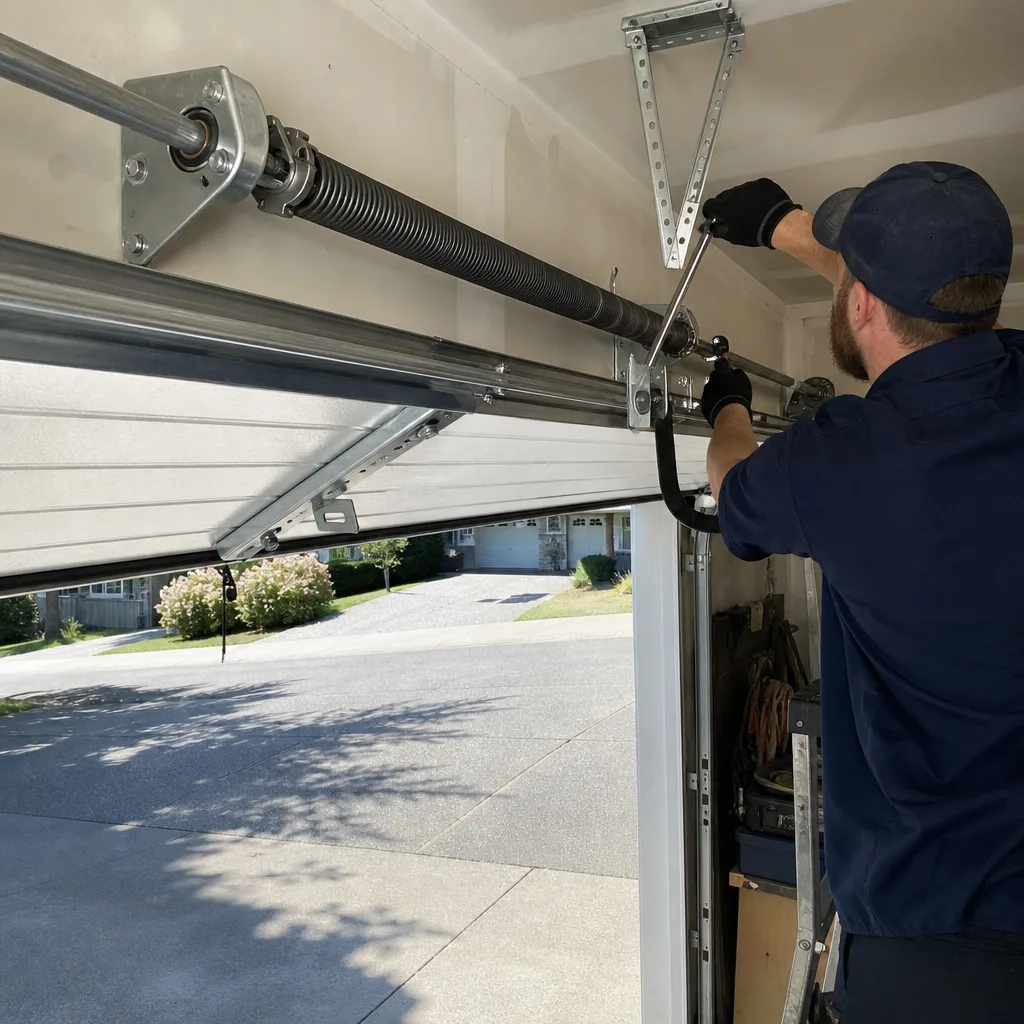 After
After Before
 After
After Before
 After
AfterAmarr Weather Seal Replacement: The Kent Owner’s Guide
A bottom weather seal for an Amarr garage door in Kent typically runs $110-$220 installed, and in most cases we can get it done the same day because we stock the common profiles on the truck. The seal is the rubber strip that runs along the bottom edge of the door. It’s what keeps rain, leaves, drafts, and rodents from getting under the door where it meets the concrete. Amarr uses a T-style or bulb-style retainer channel depending on the model, and when that rubber tears or flattens, you’ll see daylight under the door and feel cold air moving through the garage.
Most Kent homeowners notice the failure on a rainy morning. The concrete is wet two feet into the garage, or there’s a new pile of fir needles bunched up in the corner. Sometimes it’s the gap itself: a visible line of light under the door that wasn’t there last fall. The rubber degrades slowly, then all at once, and once it loses its compression, every gap is a path for water and cold air.
What we replace is the seal, not the door. The seal is a wear item, designed to be swapped. Amarr’s weather seal on most residential models is a U-channel or T-shaped rubber extrusion that slides into a metal or vinyl retainer. We measure the width of the door (typically 8, 9, or 16 feet), match the profile, and pull a new length. The repair itself is usually done in under an hour.
Which Amarr Models This Applies To
Amarr uses different bottom seal profiles across its lines, and the part must match the retainer that’s already bolted or riveted to the bottom of the door. The good news is that the retainer rarely needs replacing; the rubber is what fails. The compatibility question is: what profile does your retainer take?
On most Amarr Heritage, Classica, Stratford, and Oak Summit series doors built since the mid-2000s, the standard is a 4-inch or 5-inch T-style bulb seal in a U-channel retainer. Older Amarr doors (and some commercial doors) use a 3-inch U-shaped or tongue-and-groove style. Lincoln and Northampton carriage-house lines vary, and the aluminum full-view doors use an entirely different profile, a narrow T with a single compression bulb. If you’re not certain which door you have, the model label is usually on the inside of the top panel or on the end stile. But we don’t ask you to read the label before we arrive. We bring the common Amarr profiles on the truck, measure the channel width with a caliper, and match it physically rather than from a catalog number alone.
On OEM versus aftermarket: Amarr’s OEM rubber is good, but it’s expensive for what it is. For residential doors, we install a high-durometer EPDM seal that meets or exceeds Amarr’s spec, and in Kent’s wet seasons it holds its compression longer than the factory rubber on some doors. For doors still under panel warranty, we can order and install Amarr-branded seals if you’d rather keep everything original. We’re an independent service provider, not an Amarr dealer, so there’s no incentive to push one over the other. We’ll quote both if it matters to you.
Signs Your Amarr Weather Seal Replacement Is Failing
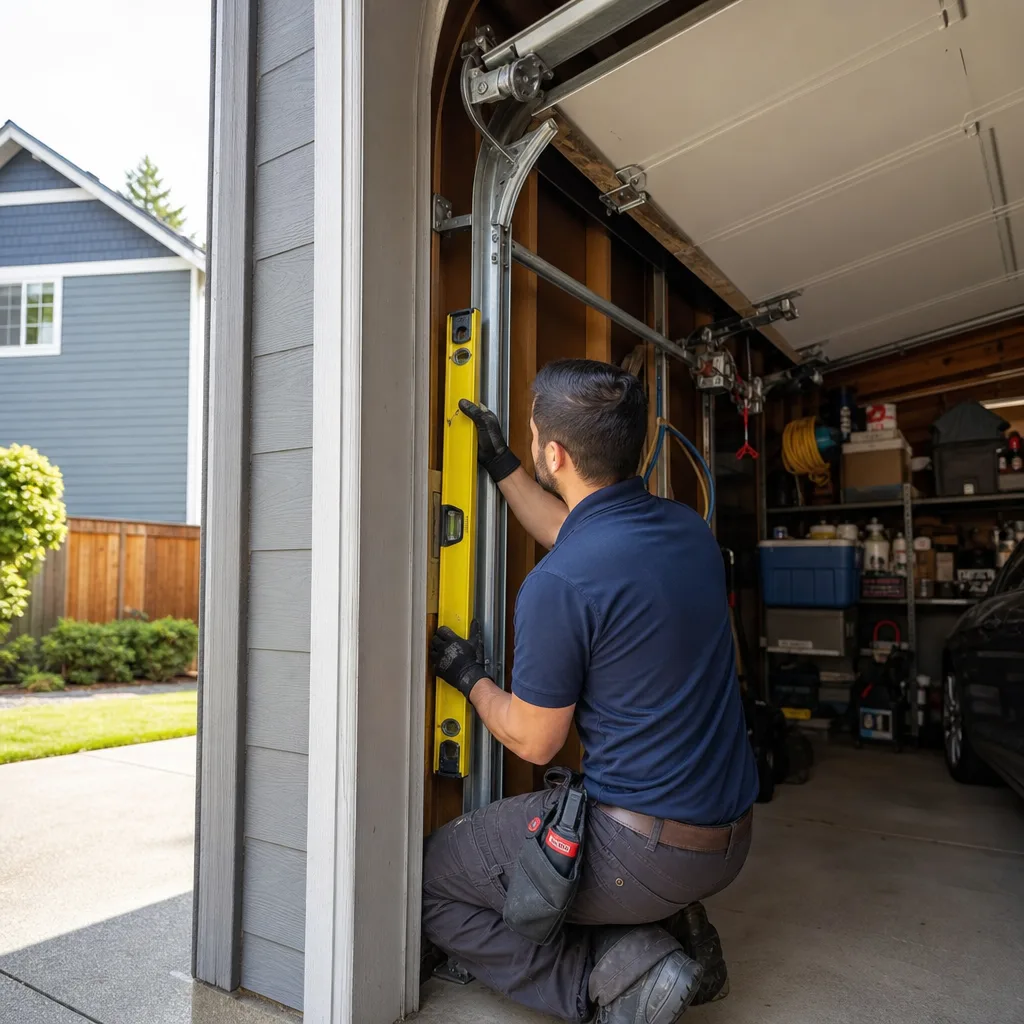
- Visible daylight under the door when it’s closed. This means the rubber has compressed beyond its useful range or torn away from the retainer. The door itself may be perfectly level; the seal is the failure point.
- Cold air or a draft along the floor. In Kent, a garage that faces north or sits on a concrete pad will telegraph this immediately on a January morning. The seal’s job is compression, and flattened EPDM doesn’t compress.
- Water pooling inside the garage after rain. Kent gets an average of 39 inches of rain a year and a concrete approach will push water toward the door. A failed seal lets it in instead of stopping it at the threshold.
- Fir needles, leaves, or insect trails inside the garage. The gap doesn’t have to be large. An eighth of an inch is enough for pine needles, pill bugs, and slugs to find their way in.
- The rubber is cracked, brittle, or missing chunks. UV exposure, temperature swings, and age eventually harden the rubber. Once it starts crumbling, the only fix is a new length. Patching rubber doesn’t work; it cracks again within weeks.
 Before
 After
AfterReplacement Cost & What’s Included
For a standard Amarr residential door in Kent, a complete bottom weather seal replacement runs $110-$220 installed. At the low end, that’s a simple T-style seal changed while we’re already on site; at the high end, it includes replacement of the retainer channel, which we do when the old metal channel is bent or the vinyl is cracked. We see that more often in Kent’s East Hill neighborhood, where some attached garages have older retainer channels that have seen 15 or 20 winters and the metal has started to rot at the fastener points.
Here’s the line item breakdown we give before touching the door:
- Amarr-compatible EPDM bottom seal: $18-$45 depending on length
- Retainer channel (if required): $25-$50
- Labor including removal and trim: typically $65-$95
Those figures reflect what we charge on a 16-foot door. An 8- or 9-foot door lands at the bottom of the range; a double-wide or commercial-height door lands higher. Every quote is written, flat, and includes parts and labor. You’ll see the exact dollar figure and the exact scope before we touch anything. That’s Clause 1 of The Haven Standard. We also photograph the failed seal and the new one once it’s in; you get that photo record as part of the job, tracing back to the rule Marcus Deller built Servo on in 2015: the customer sees the failed part before anyone quotes a replacement. Our work on weather seal replacement is covered under the 365-Day Done Right Promise. If the new seal doesn’t sit right, we fix it.
DIY or Call Us?
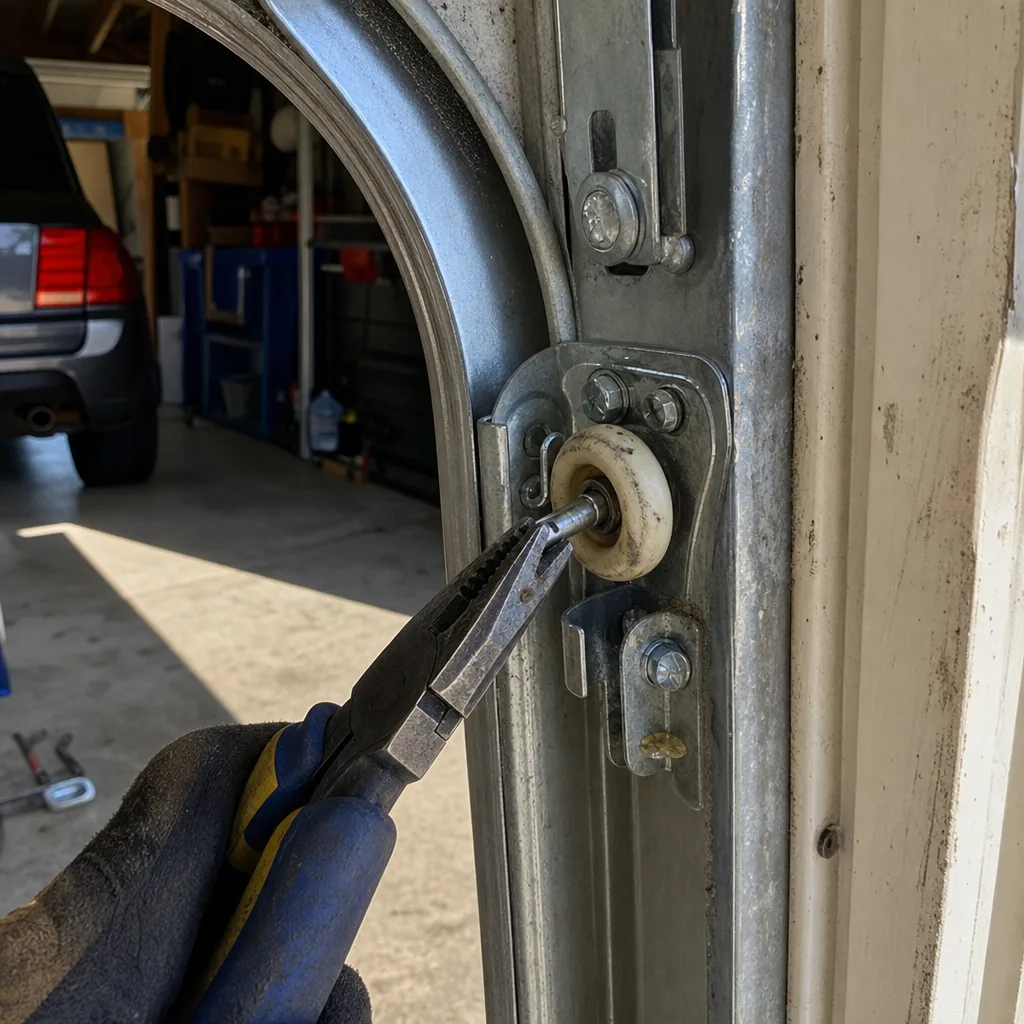
Replacing a bottom weather seal is one of the few garage door jobs an owner can actually do, assuming the retainer is intact and the door opens normally. It involves pulling the old rubber out of the channel and sliding new rubber in. On a warm day, with the right profile in hand, it’s a half-hour driveway job.
But the failure point for DIY is usually the profile. Big-box seal kits are generic, and many don’t fit Amarr’s T-channel correctly. What you get is a seal that looks fine but doesn’t compress, or one that binds at the corners. We see doors in Kent where a homeowner replaced a seal and the door still leaks because the replacement was a step-down in material. The other trap is the retainer. If the channel itself is bent or rusted, no amount of new rubber fixes the leak. At that point, you’re measuring, drilling, and buttoning up a door that has 200 pounds of tension in the springs above it. It’s not inherently dangerous work, but when the door is lifting unevenly or the retainer needs replacing, the job stops being a Saturday project. That’s when you call us at (425) 906-3489 and we send a background-checked technician with the Amarr profiles on the truck.
FAQs
We see five to seven years from a good EPDM seal in Kent before the rubber starts flattening and cracking. Your exposure matters: doors facing south get more UV, aluminum doors radiate more heat onto the rubber, and north-facing doors hold moisture longer. When we replace a seal we write the date and material type on the invoice so you know when to expect the next cycle.
No. Rubber can’t be reliably patched or re-formed. Once the compression is gone or the material is cracked, the repair is replacement. The only decision is whether the retainer comes with it. Call (425) 906-3489 and we’ll walk through what you’re seeing; a quick photo by text to the office usually tells us which profile you need.
On a normal Amarr door we’re done in 30 to 60 minutes. If the retainer needs replacing, add another 20 to 30. We write the total time into the flat-price quote, so the number you approve is the number you pay.
Yes. We carry Amarr T-style, bulb-style, and U-channel seals in the common lengths and profiles, plus the retainers. The technician will show you the replacement rubber before it goes in, so there’s no mystery about what you paid for. In the rare case your door needs an unusual profile we don’t have in the truck, we order it and schedule the install at a set time; no open-ended windows.
Written by Marcus Deller, Owner, Servo Garage Doors Kent at Servo Garage Doors Kent, serving Kent and nearby areas.